

Fast-Acting Toothache Home Treatment Options for Rapid Relief
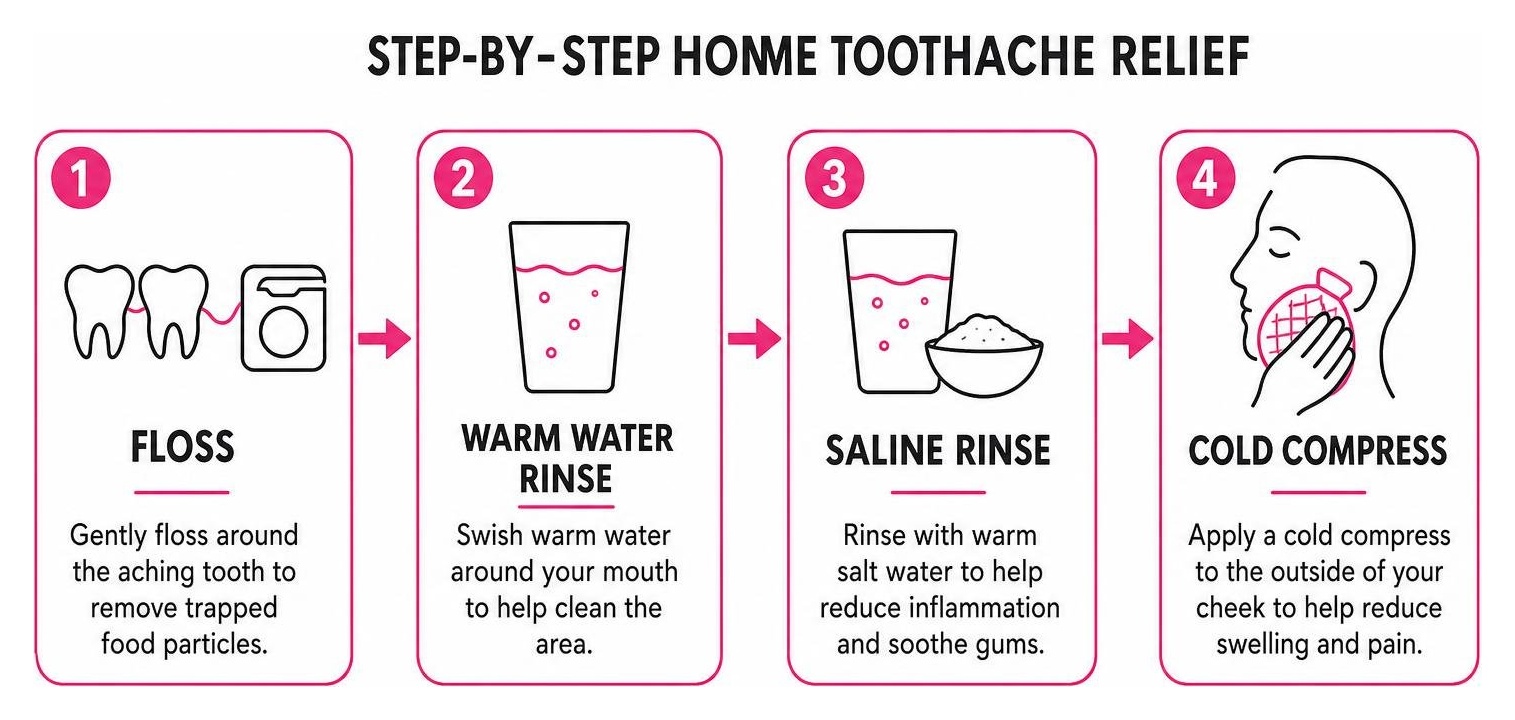
I’m Dr. Janne Lynch, and if you are dealing with sudden tooth pain, the most effective toothache home treatment starts with immediate first-aid: gently floss around the sore tooth to clear trapped debris, rinse with warm salt water to relieve swelling, apply a cold compress to your cheek for 20 minutes, and take an over-the-counter anti-inflammatory like ibuprofen if medically safe for you. These steps calm irritated nerve pathways and reduce tissue pressure until you can see a dentist.
Dental pain often originates in the tooth pulp, the innermost chamber packed with blood vessels and hypersensitive nerve endings. When bacteria from decay, a fractured enamel wall, or a lost filling reaches close to this area, inflammation builds rapidly within rigid tooth walls, creating that intense, throbbing sensation.
Before reaching for strong remedies, I always suggest starting with basic physical clearance. Gently swishing warm water around the mouth and carefully using dental floss around the aching tooth can work wonders if the culprit is simply a stubborn popcorn hull or meat fiber trapped between teeth. Interdental debris places extreme pressure on the periodontal ligament, mimicking the pain of a severe cavity. Once you are sure the area is clear of food particles, you can move on to targeted rinses and physical therapies to lower localized swelling.
Saline and Hydrogen Peroxide Oral Rinses
A warm saltwater rinse is one of the simplest, most effective first-aid steps available. Salt water acts as a natural disinfectant and draws fluid out of swollen tissues through an osmotic effect, helping to reduce gum inflammation and ease throbbing.
To prepare a saline rinse:
- Dissolve 1/2 teaspoon of salt into 8 ounces of warm water.
- Swish the solution gently around the affected area for 30 to 60 seconds.
- Spit the solution out completely—never swallow it.
- Repeat 3 to 4 times a day as needed.
If you are dealing with inflamed gums, bleeding, or foul tastes that might indicate bacteria buildup, a diluted hydrogen peroxide rinse can also help. Hydrogen peroxide kills harmful anaerobic oral bacteria, reduces plaque buildup, and cleanses superficial tissue.
To use it safely:
- Mix equal parts 3% hydrogen peroxide and plain water (a 1:1 ratio).
- Swish gently in your mouth for 30 seconds.
- Spit it out entirely and rinse your mouth with plain water afterward.
- Never swallow hydrogen peroxide, and never use concentrations higher than 3%.
For those wondering how to get rid of toothache pain fast for immediate relief, following verified protocols like the Toothache: First aid – Mayo Clinic guide helps keep your oral tissues safe while relieving pain.
Cold Compress and Ice Therapy
If your toothache is accompanied by facial swelling, or if the pain was triggered by recent trauma (such as biting down hard on an unpopped kernel or taking an accidental blow to the jaw), cold therapy is your best tool.
Applying an ice pack causes vasoconstriction—the narrowing of local blood vessels. This decreases blood flow to the inflamed area, blunts acute nerve signaling, and controls tissue swelling.
To use cold therapy safely:
- Wrap an ice pack, a bag of frozen peas, or ice cubes in a clean, dry towel. Never apply bare ice directly to your skin or gums, as this can cause frostbite or tissue damage.
- Hold the compress against the outside of your cheek directly over the painful area.
- Keep it in place for 20 minutes, then remove it for 20 minutes.
- Repeat this 20-minutes-on, 20-minutes-off cycle every few hours as needed.
Natural and Herbal Toothache Home Treatment Remedies
Several natural household remedies contain active biochemical compounds that can take the edge off a severe toothache. While none of these remedies cure underlying dental decay or repair cracked enamel, they can provide hours of welcome comfort.
- Clove Oil (Eugenol): Clove oil has served as a cornerstone of dental pain management for centuries. Its primary active component, eugenol, is a natural anesthetic and antiseptic that temporarily numbs nerve pathways. Because undiluted essential oils can irritate or burn sensitive oral mucous membranes, always dilute 2 to 3 drops of pure clove oil in a half-teaspoon of carrier oil (such as olive oil or jojoba oil). Dip a clean cotton ball or swab into the mixture, place it gently over the aching tooth for 5 to 10 minutes, and then remove it.
- Crushed Garlic Paste: Garlic contains allicin, a potent natural antimicrobial compound released when fresh garlic cloves are crushed, chopped, or chewed. Allicin helps slow down bacterial activity around the tooth. Crush a fresh garlic clove into a smooth paste, mix in a tiny pinch of salt, and dab a small amount onto the affected tooth using a cotton swab. Leave it in place for a few minutes before rinsing thoroughly with warm water.
- Cooled Peppermint Tea Bags: Peppermint contains menthol, which provides mild numbing and soothing effects for sensitive gums. Steep a peppermint tea bag in hot water for two minutes, remove it, and allow it to cool down in the refrigerator or freezer until comfortably cool. Place the moist tea bag directly against the sore tooth and gum margin for 15 to 20 minutes.
- Pure Vanilla Extract: Real vanilla extract contains a small amount of alcohol, which creates a slight numbing effect on surface tissues, alongside antioxidants like vanillin. Dab a drop or two of pure vanilla extract onto a cotton swab and apply it directly to the painful tooth.
| Natural Remedy | Active Compound / Mechanism | Best Used For | Application Instructions |
|---|---|---|---|
| Clove Oil | Eugenol (Natural analgesic & antiseptic) | Deep, throbbing nerve pain | Dilute 2–3 drops in carrier oil; apply with cotton ball for 10 min |
| Garlic Paste | Allicin (Antimicrobial) | Bacterial buildup and localized gum ache | Crush fresh clove, mix with pinch of salt, apply for 5 min, then rinse |
| Peppermint Tea Bag | Menthol (Mild topical numbing & cooling) | Gum sensitivity and generalized soreness | Steep, chill in freezer, hold against tooth and gum for 15–20 min |
| Vanilla Extract | Alcohol base & Vanillin (Topical soothing) | Mild, sharp surface sensitivity | Dab pure extract on cotton swab, apply directly to tooth |
Safe Medication and Topical First-Aid Practices
When non-pharmacological methods aren’t enough, over-the-counter (OTC) pain relievers provide reliable relief while you await your dental appointment. However, taking the right medications safely makes all the difference in protecting your health.
Over-the-Counter Oral Analgesics
Nonsteroidal anti-inflammatory drugs (NSAIDs) such as ibuprofen are widely considered the first line of defense for dental pain. Because toothache pain is heavily driven by acute inflammation inside the dental pulp (pulpitis) or the surrounding periodontal ligament, the anti-inflammatory action of ibuprofen targets the source of discomfort better than pure pain blockers alone.
If you cannot take NSAIDs due to stomach ulcers, kidney issues, or pregnancy, acetaminophen is an effective alternative for systemic pain relief. In cases of severe discomfort, some adults safely alternate between ibuprofen and acetaminophen under a doctor’s or pharmacist’s direction to maintain steady pain control without exceeding the daily maximum dose of either medication.
Always read and follow the packaging instructions carefully, and check my guide on top toothache tablets that actually work for clear breakdowns of dosage safety. As highlighted by Remedies For a Toothache: What to Do and When to See a Doctor, oral pain relievers must always be swallowed with water.
Critical Safety Rule: Never place an aspirin, ibuprofen, or acetaminophen tablet directly against your gums or inside a tooth cavity. Aspirin is acetylsalicylic acid; resting it against delicate oral mucosa will cause a severe chemical burn (an “aspirin burn”) that sloughs off the tissue, creating a painful ulcer on top of your existing toothache.
Benzocaine Warnings and Age Safety Precautions
Topical numbing gels and liquids containing benzocaine (such as Orajel or Anbesol) are readily available in drugstores. While they can temporarily dull the surface of an irritated gum, they come with important medical cautions:
- Methemoglobinemia Risk: Benzocaine has been directly linked to methemoglobinemia, a rare, life-threatening condition where the blood carries dangerously low amounts of oxygen. Symptoms include pale, gray, or blue-colored skin, lips, or nail beds, shortness of breath, fatigue, confusion, and rapid heart rate.
- Strict Pediatric Restrictions: Over-the-counter teething products containing benzocaine should never be used in infants or children younger than 2 years old. The FDA and pediatric dental guidelines strongly advise against benzocaine for soothing teething pain due to severe toxicity risks.
- Safe Usage for Adults: Adults should use benzocaine sparingly, applying only a tiny dab with a cotton swab to the affected area, no more than 3 to 4 times daily. If you suspect an adverse reaction, discontinue use immediately and seek medical attention.
Managing Severe Nighttime Toothache and Sleep Strategies
Toothaches almost always seem to intensify the moment you lie down to sleep. This isn’t your imagination—it is driven by basic anatomy and physiology.
When you transition from standing or sitting to lying flat, blood pressure shifts toward your upper body and head. This increased cranial blood flow heightens vascular pressure inside the inflamed tooth pulp and periapical tissues, causing a low-grade ache to turn into a thumping, sleep-destroying throbbing. Furthermore, lying down allows sinus fluids to settle, adding pressure across upper molar roots.
Step-by-Step Toothache Home Treatment Protocol for Nighttime Pain
To make it through the night comfortably:
- Perform a Pre-Bed Oral Rinse: Gently swish with warm salt water or an antibacterial fluoride mouthwash 30 minutes before bed to clear out any lingering food debris, sugars, or bacteria that could irritate the nerve overnight.
- Take Your Pain Reliever with a Small Snack: If approved by your doctor, take your scheduled dose of ibuprofen or acetaminophen 45 minutes before bedtime so it reaches peak therapeutic levels right as you try to fall asleep.
- Elevate Your Head: Prop your head and upper torso up using two or three pillows, or sleep in an adjustable bed or recliner. Keeping your head elevated above your heart prevents blood from pooling in your facial tissues, significantly cutting down on nighttime throbbing pressure.
- Avoid Bedtime Triggers: Steer clear of very hot, ice-cold, acidic, or sugary snacks and drinks in the evening. If your tooth is sensitive to air, try breathing slowly through your nose rather than your mouth while falling asleep.
Red Flags: When At-Home Relief Is Not Enough
Home treatments are designed solely to buy you time until you can sit in a dental chair. They do not eliminate bacterial infections, heal necrotic dental nerves, or reseal fractured enamel. Relying on home remedies for too long allows minor dental problems to turn into complex, systemic health emergencies.
Recognizing Dental Abscesses and Systemic Infections
A periapical abscess occurs when bacteria spread through the internal pulp chamber of the tooth and exit out the root tip into the jawbone. This leads to a pocket of pus and progressive bone destruction.
Watch for these warning signs of an advancing dental infection:
- Throbbing pain that radiates to your ear, jawline, or neck on the same side.
- A pimple-like bump (fistula) on the gum near the painful tooth that may burst and release foul-tasting, salty pus.
- Facial swelling, redness, or tenderness in your cheek or jaw.
- Swollen, tender lymph nodes beneath your jaw or along your neck.
- A persistent fever or general feeling of illness (malaise).
For detailed clinical criteria on identifying dental complications, refer to the Toothache – Mouth and Dental Disorders – Merck Manual Consumer Version. If you suspect a spreading abscess, read our guide on identifying an abscessed tooth and consult with a provider to determine the best antibiotic for toothache infection alongside necessary dental drainage or root canal therapy.
Emergency Dental Care vs. Urgent Medical Evaluation
Certain dental symptoms represent life-threatening emergencies that require immediate hospital or emergency room intervention. If oral bacteria spread into deep facial fascial spaces, it can cause Ludwig’s angina (a severe infection of the floor of the mouth) or cavernous sinus thrombosis (a dangerous blood clot at the base of the brain).
Seek immediate emergency medical attention (call 911 or visit the nearest emergency room) if your toothache is accompanied by:
- Swelling around your eye, neck, or under your tongue that spreads rapidly.
- Any difficulty breathing or shortness of breath.
- Inability to swallow your own saliva or fluids.
- Severe difficulty opening your mouth (trismus) or slurred speech.
- High fever accompanied by confusion, dizziness, or extreme lethargy.
For severe, non-airway-compromising dental pain, scheduling rapid emergency dental care ensures the underlying tooth is treated before complications arise, matching the urgent triage protocols outlined by the Toothache – NHS health service.
Long-Term Oral Hygiene and Toothache Prevention
The most effective toothache treatment is preventing the problem before it starts. Consistent daily preventive habits protect your enamel, preserve your gums, and keep bacteria away from delicate dental nerves.
- Brush Twice Daily with Fluoride Toothpaste: Brush for a full two minutes every morning and evening using a soft-bristled toothbrush. Fluoride remineralizes early enamel demineralization before it develops into a full cavity.
- Clean Between Teeth Daily: A toothbrush cleans only about 60% of your tooth surfaces. Use dental floss, interdental brushes, or a water flosser daily to remove plaque and trapped food particles from between your teeth where cavities frequently start.
- Limit Dietary Acid and Sugar Intake: Acidic drinks (soda, sports drinks, citrus juices) soften enamel, while refined sugars feed the bacteria that produce destructive acids. Rinse your mouth with plain water after consuming sweet or acidic foods.
- Protect Against Nighttime Clenching (Bruxism): Chronic teeth grinding wears down protective enamel and places immense stress on the periodontal ligaments, leading to widespread dental aches. A custom-fitted dental nightguard prevents micro-fractures and relieves muscle strain.
- Maintain Regular Preventive Dental Visits: Professional cleanings and diagnostic exams every six months allow my clinical team and me to catch small spots of decay, leaking restorations, and early gum inflammation long before they cause painful symptoms. Understanding the root triggers through my guide on understanding toothache causes and symptoms is the first step toward lasting oral health.
Frequently Asked Questions About Toothache Relief
How do you get rid of a toothache in 5 minutes at home?
To achieve rapid relief within minutes, combine three quick steps:
- Thoroughly rinse with warm salt water to clear trapped food particles and reduce tissue swelling.
- Carefully apply a small cotton swab dabbed with diluted clove oil (eugenol) directly onto the painful tooth to numb the nerve endings.
- Hold an ice pack wrapped in a cloth against the outside of your cheek to dull nerve transmission.
While this combination works rapidly to lessen pain, it provides only temporary relief and does not resolve the underlying dental issue.
Is it safe to put an aspirin tablet directly on an aching tooth or gum?
No, you should never place an aspirin tablet directly against your teeth or gums. Aspirin contains acetylsalicylic acid. When it dissolves against the moist mucous membranes of your mouth, it causes a chemical burn that destroys delicate gum tissue and leaves a painful white lesion. Aspirin must always be swallowed with water to work through your bloodstream safely.
Can a sinus infection cause upper toothache pain?
Yes. The roots of your upper molars and premolars sit directly beneath the maxillary sinus cavities. When you develop a sinus infection or significant nasal congestion, pressure and inflammation build inside these sinus cavities. This downward pressure pushes against the nerve endings at the tips of your upper tooth roots, creating a dull, continuous ache that feels identical to a dental cavity. If your toothache worsens when you bend forward or is accompanied by nasal congestion and facial fullness, a sinus issue may be the underlying cause.
Conclusion
Managing sudden dental pain at home requires a careful approach: clear away trapped food, use gentle saline rinses, apply cold compresses, and take over-the-counter pain medications safely. While these home remedies can help you make it through the night or manage until the weekend is over, they are only temporary fixes. A toothache is your body’s clear warning that something requires clinical attention—whether it is an untreated cavity, a cracked tooth, a damaged filling, or an advancing infection.
At AZ Dentist, my entire philosophy is built around providing compassionate, gentle, and comfortable dental care so that you can “come as a patient, leave as a friend” and enjoy the healthy smile of a lifetime. If tooth pain is disrupting your day or keeping you up at night, don’t wait for the issue to worsen.
Take the first step toward lasting relief by seeking professional toothache relief or reaching out for emergency toothache solutions in Phoenix. My dedicated clinical team and I are ready to help you at any of our convenient neighborhood locations across Arizona, including AZ Dentist Scottsdale, AZ Dentist Glendale, AZ Dentist Sun City, and AZ Dentist Sedona. Contact us today to schedule your evaluation and let us help you get back to living pain-free!